Don't Buy the Philips Oneblade 360 Razor Until You Read This Full Analysis
Introduction
The grooming world constantly evolves, promising better, faster, and more convenient tools. One product that has generated significant buzz recently is the Philips Oneblade 360 Razor. From eye-catching commercials to influencer testimonials, this razor seems poised to revolutionize the way men—and even some women—handle their facial hair maintenance. But is the Oneblade 360 truly an essential upgrade for your grooming routine, or is it just another flashy gadget? Before you make an investment, it’s crucial to strip away the marketing gloss and examine how this razor performs in real-world scenarios, what consumers actually care about, and whether it delivers on its promises.
Philips Oneblade 360 Razor: Product Overview & Features
The Philips Oneblade 360 Razor is designed to be a hybrid trimmer and shaver, aiming to bridge the gap between a classic razor and a modern electric groomer. Promoted as suitable for trimming, edging, and shaving any length of hair, the device is positioned as a one-stop solution for most facial grooming needs.
Main Features
- 360-degree flexible blade: Movable head claims to maintain skin contact around tricky contours (jawline, chin, neck).
- Dual-sided blade: Allows shaving in both directions for finer control during edging and styling.
- Wet and dry use: Waterproof design enables use with shaving gel, foam, or even under the shower.
- Replaceable blades: Each blade is rated for up to four months of typical use before needing replacement.
- Rechargeable battery: Depending on the model, users can expect 45–90 minutes of shaving per charge.
- Multiple-length comb attachments: Usually includes a range (1 mm – 5 mm) of stubble combs for trimming flexibility.
Real-World Use Cases: What Buyers Truly Want to Know
While features might sound impressive, a buyer’s primary concerns are performance, comfort, durability, upkeep, and value. Let’s break down how the Philips Oneblade 360 addresses (or falls short on) these real needs:
1. Who Is It For?
- Busy professionals who value quick, mess-free grooming
- Travelers needing an all-in-one solution that packs easily
- Men who prefer light stubble or neat beards as opposed to a completely clean shave
- People with sensitive skin looking to reduce irritation and razor burn
2. Performance on Different Hair Types
Most users report satisfactory results trimming short to medium stubble. The 360 head adapts nicely to facial contours, making jawline and neck work easier than with standard fixed-head razors. However, for very thick beards or rapidly growing hair, the blade can struggle to provide a truly close shave, sometimes requiring multiple passes. It’s also less effective on longer or curly neck hair, where tugs or missed patches might occur.
3. Comfort and Skin Sensitivity
The Oneblade 360 is gentle on the skin, with many users noting minimal irritation or razor burn compared to traditional blades. This comfort stems from its unique blade motion, which cuts hair slightly above skin level rather than shaving flush. For buyers prone to ingrown hairs, this aspect can be a significant benefit. However, the trade-off is that it won’t deliver the ultra-smoothness of a manual razor.
Shop the latest Electronics picks on Amazon.
View Offers →4. Upkeep and Running Costs
Blades need replacing every 3–4 months for optimal performance, according to Philips. Each replacement blade is sold separately and costs add up over time. Battery life is typically robust, but recharging adds another step for regular travelers or heavy users.
5. Noise and Mess
The device isn’t as quiet as some premium rotary or foil shavers. As a dry system, it produces less mess than a wet razor but more than a standard electric shaver, especially when edging the neckline or trimming longer growth.
6. Versatility
As an all-in-one tool, the Oneblade 360 does a reasonable job at trimming, shaving, and edging. The comb attachments make switching beard lengths easy. For mustache detailing or tight spots, the dual-sided blade offers precision, but it still won’t quite replace dedicated barbershop tools for detailed sculpting.
Pros and Cons
- Pros:
- Effective trimming and edging for most beard lengths
- Comfortable on sensitive skin; minimal irritation reported
- Adaptable flex head works well on facial contours
- Lightweight and easy to handle
- Waterproof for wet/dry use; easy to clean
- Rechargeable with solid battery life per charge
- Cons:
- Can struggle with thick, coarse, or long beard hair
- Not a substitute for a truly close, manual blade shave
- Ongoing costs from frequent blade replacements
- Moderately noisy compared to premium electric razors
- Plastic build may feel less robust than luxury models
- Not ideal for full-body grooming or very precise lines
Side-by-Side Comparison: Philips Oneblade 360 vs. Key Alternatives
| Feature | Philips Oneblade 360 | Traditional Razor | Premium Electric Shaver | Beard Trimmer |
|---|---|---|---|---|
| Shave Closeness | Moderate (above skin) | Very Close (flush to skin) | Close to moderate | Not suitable (meant for length reduction) |
| Trimming Versatility | High (with attachments) | Low (no attachments) | Moderate | High |
| Skin Sensitivity | Gentle; reduced irritation | Potential for irritation/razor burn | Best with foil; rotary can irritate | Gentle with guards |
| Wet/Dry Use | Yes | Yes | Usually (model dependent) | Usually dry only |
| Edge Detailing | Good with dual blade | Requires skill | Less precise | Limited |
| Maintenance | Blade replacements every 3–4 months | Replace cartridges or blades regularly | Foil/rotary head replacement 1–2 years | Occasional blade oiling or replacement |
| Cost of Ownership | Medium (blades, upfront device) | Varies (cartridges add up) | High (device, replacement heads) | Low-Medium (occasional blades/guards) |
| Travel-Friendliness | Very portable, rechargeable | Very portable, but needs cream | Can be bulky; charging required | Portable, but may need guard storage |
| Body Grooming | Not ideal (face-focused) | Not recommended | Depends on model/attachments | Depends on model/guards |
Buying Guide: How to Decide if the Philips Oneblade 360 Is for You
With a crowded market of grooming tools available, choosing the right razor comes down to matching the product to your lifestyle, skin, and hair type. Here are essential factors and questions to consider before buying the Philips Oneblade 360 Razor:
Find top-rated Electronics products at great prices.
See Deals →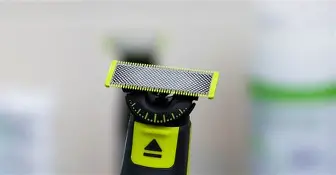
Assess Your Grooming Priorities
- How close do you want your shave? If you want baby-smooth skin, the Oneblade’s “above skin” cut may leave you wanting more. For a stubble look, it excels.
- How sensitive is your skin? If you’re prone to irritation, the Oneblade design can help you avoid the nicks, burns, and ingrown hairs common with manual razors.
- How thick/coarse is your facial hair? For very coarse beards, performance may vary. Users with lighter or evenly-growing hair see the best, most consistent results.
- Are you seeking speed and convenience? The tool is easy to rinse, quick to use, and less fussy than lather-and-blade systems—at the cost of some closeness.
- Do you need to manage a beard or mustache, not just shave clean? The attachment system and double-sided blade are positives for regular beard maintenance and stylizing.
Consider Cost and Maintenance
- Can you commit to regular blade replacements? Blades must be replaced every few months for effective grooming.
- How much do replacements cost in your region? Pricing varies and can affect ongoing spending compared to rivals.
- Do you need it for travel? Its small size and universal voltage charging make it travel-friendly, but don’t forget to pack spare blades for long trips.
Check Compatibility with Your Routine
- Do you prefer wet or dry shaving? The Philips Oneblade 360 supports both, offering flexibility whether you shave in the shower or at the sink.
- Will you use it for other grooming tasks? If you plan on body grooming, check if the model includes or supports body-safe attachments; not all do.
Conclusion
The Philips Oneblade 360 Razor stands out as a flexible, skin-friendly grooming solution that finds a comfortable niche for users who keep light stubble, prefer trimming over a close shave, or appreciate easy, irritation-free maintenance. It’s not the only tool most people will need—serious beard sculptors, those with coarse hair, or anyone demanding a “razor-smooth” face will likely want to keep a traditional razor or dedicated trimmer at hand.
That said, for modern, convenience-focused grooming, the Oneblade 360’s innovative head, decent trimming range, and gentle action tick many boxes—provided you understand its ongoing maintenance costs and its performance limitations. If the pros align with your needs and the cons do not pose major issues, this hybrid razor can become a valuable, time-saving addition to your grooming toolkit.