Wave Rider 29 Running Shoe Specs, Features, and Value: Is it worth the price tag?
The Wave Rider 29 is the latest iteration of a long-running neutral trainer series that aims to balance everyday comfort with a lively ride. For many runners it sits squarely in the “do-it-all” category: daily miles, long runs in moderate distances, treadmill sessions, and occasional tempo workouts. This article examines the Wave Rider 29 in detail—covering construction, ride characteristics, real-world use cases, durability expectations, and whether it justifies its price relative to alternatives on the market.
Introduction: What the Wave Rider series targets
The Wave Rider line has historically been positioned as a dependable neutral trainer. Rather than chasing the plushest cushion or the lightest race shoe, the series targets runners seeking a stable, predictable, and reasonably responsive shoe for regular training. With the 29th iteration, the focus remains on blending responsiveness with everyday comfort while making incremental improvements to fit, durability, and materials.
Buyers typically care about a few core questions: How does the shoe fit? Is the cushioning stable and comfortable for longer runs? Does the outsole last if used several times per week? And, crucially, is the performance worth the price when compared with other mid‑range trainers? Those are the issues addressed throughout this review.
Product overview and key specifications
Below is a concise summary of the Wave Rider 29’s principal attributes. Exact measurements (weight, drop) will vary slightly by size and gender-specific models, but the descriptions capture the intended engineering and performance characteristics.
- Purpose: Neutral daily trainer for miles, tempo sessions, and treadmill work
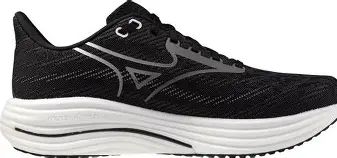
- Upper: Engineered mesh with targeted overlays for support and breathability
- Midsole: Proprietary responsive foam combined with a stabilizing wave element that aims to disperse impact and provide a predictable ride
- Outsole: Durable rubber in high-wear zones with flex grooves for natural forefoot motion
- Fit profile: Generally true to size with a slightly snug midfoot and moderate to roomy toe box depending on last
- Heel-to-toe drop: Moderate (designed to suit a broad range of runners and training types)
- Weight: Mid-weight class for an everyday trainer (light enough for speed work, cushioned enough for longer runs)
- Stability: Neutral, with the wave element adding a mild stabilizing effect without heavy support
Detailed analysis: Construction and performance
Upper: breathable, secure, and refined
The Wave Rider 29 uses a layered engineered mesh upper that balances ventilation and structure. In everyday conditions—treadmill, cool-weather road runs, and warm-weather sessions—the mesh allows airflow where it’s needed, while welded or stitched overlays provide lockdown through the midfoot.
Practical takeaways: the upper typically requires little break-in time and will suit runners who prefer a sock-like feel. Those with very wide forefeet should try the shoe on before committing, as some runners report a snuger fit through the midfoot compared to broader trainers.
Midsole: responsive cushioning with an emphasis on predictability
At the shoe’s core is a responsive foam midsole coupled with the brand’s wave-based structural element. The combination aims to deliver a ride that absorbs impact smoothly while returning energy for a lively toe-off. Compared with heavily maximalist shoes, the Wave Rider 29 preserves ground feel and cadence, making it a good match for runners who like to maintain a quicker turnover without sacrificing comfort.
Real-world experience: the midsole behaves consistently across a range of paces. For easy runs the cushioning is forgiving; during tempo intervals it feels springy enough to support faster leg turnover. For heavier runners or those seeking maximal soft landings on very long runs, there are softer, more cushioned alternatives—but many will appreciate the Wave Rider 29’s balance.
Outsole and traction: built to last on pavement
The outsole uses durable rubber in high-contact areas, with strategic cutouts and flex grooves to encourage a natural roll from heel to toe. Road traction is reliable in dry and mildly wet conditions. The rubber compound and tread pattern are tuned for long-term durability, which matters for runners who log many weekly miles.
Practical considerations: while the outsole is road-focused and performs well on asphalt and treadmill decks, it is not intended for technical trails. Occasional gravel paths or packed dirt should be fine, but aggressive or wet trails will show the shoe’s limitations.
Find top-rated Electronics products at great prices.
See Deals →Fit and sizing: what to expect
Most testers find the Wave Rider 29 to be true to their usual running shoe size. The midfoot often provides a secure hold, which helps reduce slippage during faster leg turnover. The toe box tends to be moderate—enough room for natural toe splay but not an overly generous fit.
Advice for specific shoppers: those with wider feet might prefer trying a half-size up or looking at wide-width offerings if available. Runners who fluctuate between sizes because of orthotics should try them together; the profile accepts low-to-moderate orthotic inserts without compromising the fit.
Real-world use cases
The Wave Rider 29 finds its strengths in the following scenarios:
- Daily training: Comfortable enough for daily mileage without feeling overly heavy. Runners who alternate easy runs and faster efforts will appreciate the shoe’s versatility.
- Treadmill workouts: The responsive midsole and predictable heel-to-toe transition make it well-suited for treadmill intervals and steady-state sessions.
- Tempo and progression runs: The lively cushion supports faster paces without the shoe feeling unstable.
- Beginner runners: A solid all-purpose trainer for those building weekly mileage; the neutral platform is friendly for most gait patterns.
Less ideal use cases include technical trail running, ultra-distance events where maximal cushion and aggressive energy return become priorities, and runners needing strong corrective support for severe overpronation.
Pros & Cons
Pros
- Comfortable, balanced cushioning that suits a variety of paces
- Predictable, stable ride thanks to structural wave element
- Breathable engineered mesh upper with good lockdown
- Durable outsole designed for high-mileage road use
- Versatile—good for daily training, tempos, and treadmill work
Cons
- Not the softest option for runners who prefer plush maximalist cushioning
- Fit can feel slightly narrow in the midfoot for some foot shapes
- Not suitable for technical trail running or very wet, slippery surfaces
- Mid-weight class may be heavier than dedicated racing flats or lightweight trainers
Comparison: Wave Rider 29 versus close alternatives
To help contextualize the Wave Rider 29’s place in the market, the table below compares it to two common alternatives often considered by buyers in the same price and performance band: the preceding model in the line and a competitor mid-range neutral trainer.
| Model | Intended Use | Cushioning Feel | Stability | Durability | Price Category |
|---|---|---|---|---|---|
| Wave Rider 29 | Daily trainer, tempos, treadmill | Responsive, balanced | Neutral with structural wave support | High (rubber in wear zones) | Mid-range |
| Wave Rider 28 | Daily trainer, similar role | Comparable, slightly firmer or softer depending on foam changes | Neutral with wave element | High; small updates to materials in newer model | Mid-range |
| Competitor neutral trainer (example) | Daily trainer, long runs | Varies—some prioritize plushness | Neutral or mild stability | Varies by outsole compound | Mid-range |
Note: the competitor row represents the broader category of mid-range neutral trainers. Buyers should compare specific features—foam composition, heel-to-toe drop, and upper fit—when weighing options.
Durability and maintenance expectations
With regular road use (three to five runs per week), the Wave Rider 29’s outsole and midsole materials generally sustain performance for several hundred miles. As with most trainers, the foam will gradually lose responsiveness over time; most runners plan to replace a daily trainer between approximately 300–500 miles depending on cadence, body mass, and terrain.
Practical maintenance tips:
- Rotate with another pair if weekly mileage is high—this extends total life and allows foam to rebound between runs.
- Air dry after wet runs rather than placing near direct heat.
- Regularly check outsole wear patterns to determine if running form or flexibility changes are needed.
Value assessment: Is it worth the price tag?
Evaluating value depends on the buyer’s priorities. The Wave Rider 29 delivers solid engineering, a versatile ride, and durability that aligns with mid-range pricing. For runners who want a single shoe that handles most training types, its combination of cushioning responsiveness and everyday durability represents good value.
However, if a buyer prioritizes the softest possible cushion for long recovery days, or the absolute lightest weight for speed-focused sessions or racing, there are specialist alternatives that outperform a generalist trainer in those narrow categories. Similarly, budget-conscious buyers who value only the lowest sticker price may find comparable performance in discounted models or prior-year versions.
Discover deals on Electronics — updated daily.
Shop Amazon →Overall recommendation: For a typical recreational or committed runner seeking a reliable, all-purpose road trainer, the Wave Rider 29 earns its place in the mid-range bracket. It is best considered an investment in versatile performance and high-mileage longevity rather than a fashion or occasional-use purchase.
Buying guide: How to decide if the Wave Rider 29 is right
Match the shoe to intended mileage and training
If weekly mileage includes a mix of easy runs, long runs under marathon distance, and periodic faster workouts, the Wave Rider 29 is a natural fit. For very long ultras or heavy marathon-specific training where maximum cushion and energy return are critical, consider pairing the Wave Rider 29 with a more cushioned alternative.
Consider foot shape and sizing
Try the shoe on with the socks we intend to run in. Expect a secure midfoot fit; those with wide forefeet should check wide-width options where available. If orthotics are used, bring them to a fitting session to ensure adequate volume.
Assess replacement cycles and budget
Plan to replace the shoe after 300–500 miles as a general guideline. If the price feels high, consider the Total Cost of Ownership: a durable mid-range trainer that lasts toward the upper end of that range may represent better long-term value than a cheaper shoe that needs replacing sooner.
Test for ride and responsiveness
In a store or during a trial run, test both easy and faster paces. The Wave Rider 29 aims to feel composed at slow paces and responsive during tempo work; if either of those is absent, consider other models targeted more specifically to those needs.
Check return and trial policies
Because fit and comfort are personal, confirm return, exchange, or return-trial policies from the retailer before purchase. If an online retailer offers a short running trial period, that reduces the risk of a poor fit in everyday conditions.
Accessories and considerations
- Consider complementary lacing strategies (lock lacing) for heel slippage if encountered.
- Rotate with a secondary shoe if weekly mileage is high to prolong life.
- Replace insoles only if thinner than the provided midsole; thicker aftermarket insoles may change fit and stack height.
Final verdict
The Wave Rider 29 is a thoughtfully tuned neutral trainer that will satisfy many runners looking for a reliable, versatile shoe for daily training. It balances cushioning, responsiveness, and durability in a way that makes it useful across a wide range of paces and distances. While it does not lead in any one extreme category—such as being the softest cushion for long recovery runs or the lightest option for races—the Wave Rider 29’s strength is its dependability.
For runners who prioritize a single go-to trainer for the majority of their weekly runs, the Wave Rider 29 represents a sensible investment. Those with narrow goals—purely racing, technical trail running, or ultra-distance cushioning—should evaluate specialist alternatives. In most real-world buyer scenarios—daily mileage, variety of paces, and desire for a long-lasting road trainer—the Wave Rider 29 makes a compelling case for being worth the price tag.